Driving
Driving in Lebanon: Practical Tips for a Safe and Easy Trip
Practical tips for driving in Lebanon: traffic in Beirut, mountain roads, winter driving, navigation, parking, fuel, documents to carry and what to do in an emergency.
Updated · 6 min read
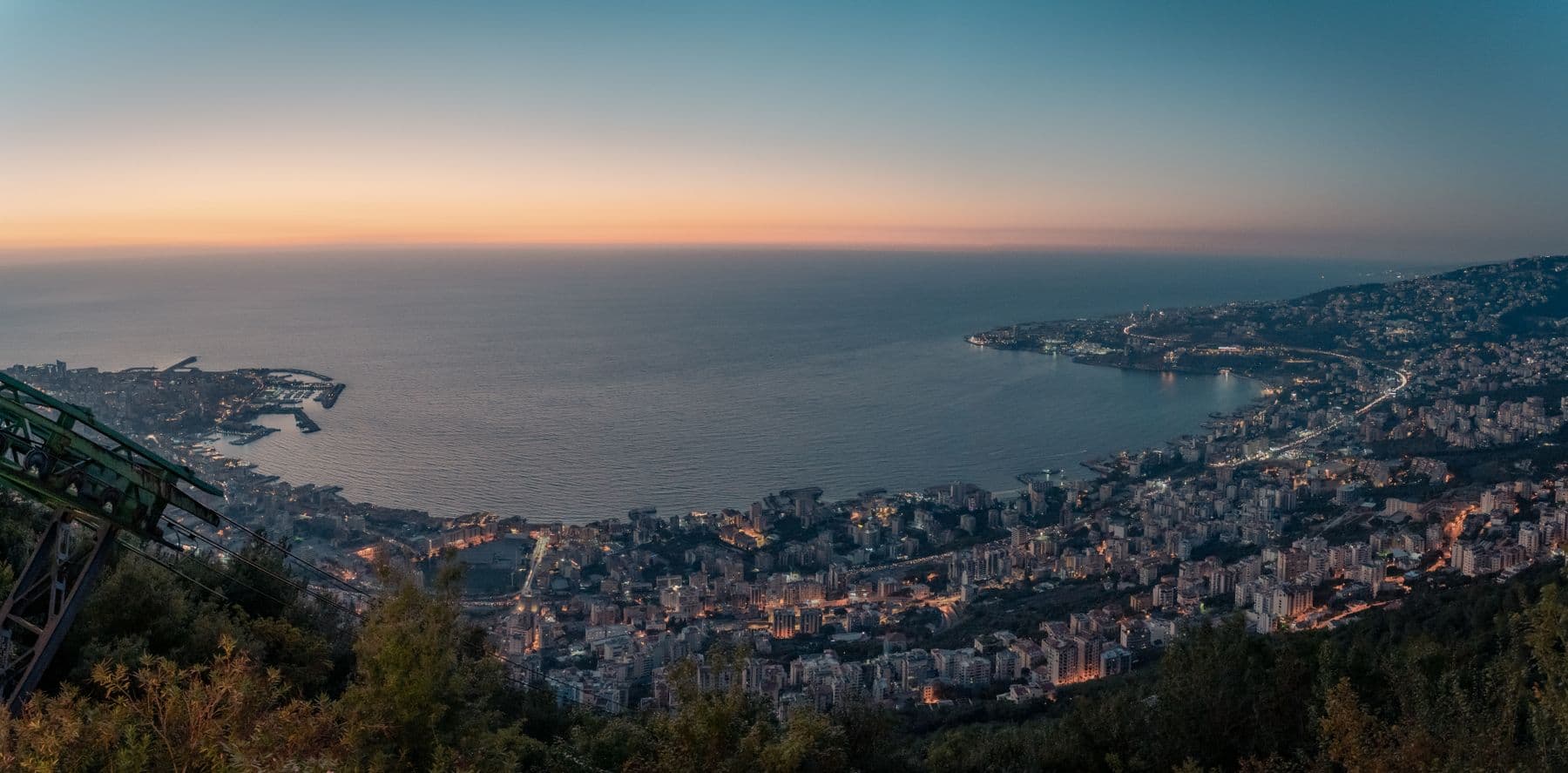
Driving in Lebanon is the easiest way to combine the coast, the mountains and the Bekaa Valley in one trip. Distances are short, but traffic, steep mountain roads and changing weather mean it pays to prepare. These tips will help whether you are a visitor driving here for the first time or a resident renting a car for a weekend away.
The basics
- Traffic drives on the right-hand side of the road.
- Always wear your seat belt and make sure passengers do too.
- Using a hand-held phone while driving is against the law - set up navigation before you set off.
- Follow posted speed limits, which change frequently between highways, towns and mountain roads.
- Keep your licence, passport or ID and the rental agreement in the car; you may be asked for them at checkpoints.
Traffic in Beirut and on the coast
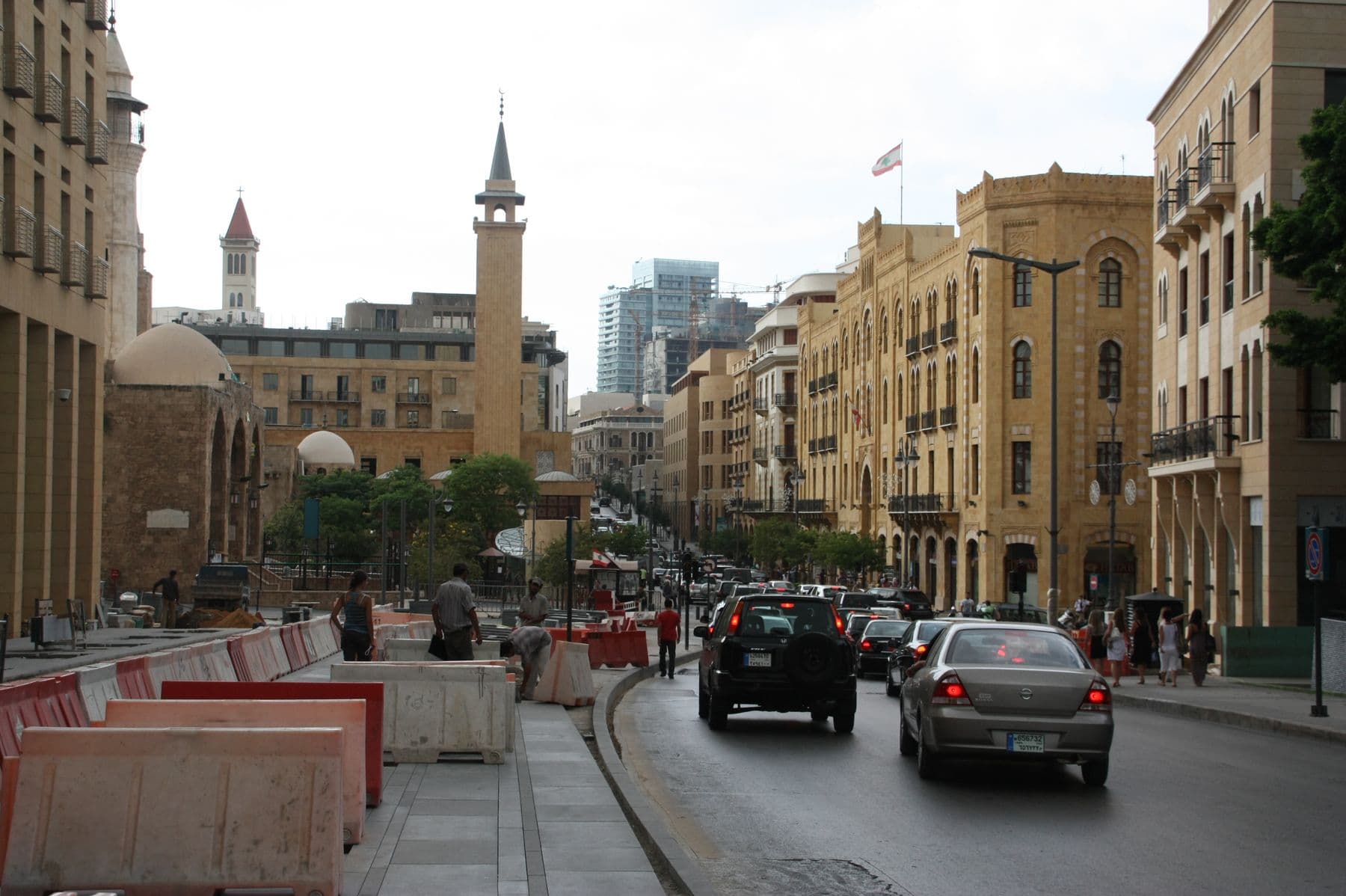
Beirut and the coastal highway towards Jounieh and Byblos can be busy, especially on weekday mornings and evenings and on summer weekends. Expect drivers to change lanes quickly and to use the horn often. Stay calm, leave space in front of you and watch for motorbikes filtering between lanes.
Beat the traffic
For day trips north to Byblos and Batroun or east to the Bekaa Valley, leave Beirut early in the morning and plan to return before the evening rush.
Mountain roads
Roads into Mount Lebanon - towards the Chouf, Faraya, Bsharri or across the Dahr el Baidar pass to the Bekaa - are winding, steep and sometimes narrow. Use a lower gear on long descents, avoid overtaking on blind bends, and give way where the road narrows through villages. Allow more time than the distance suggests: 50 km in the mountains can easily take over an hour.
Winter driving and snow
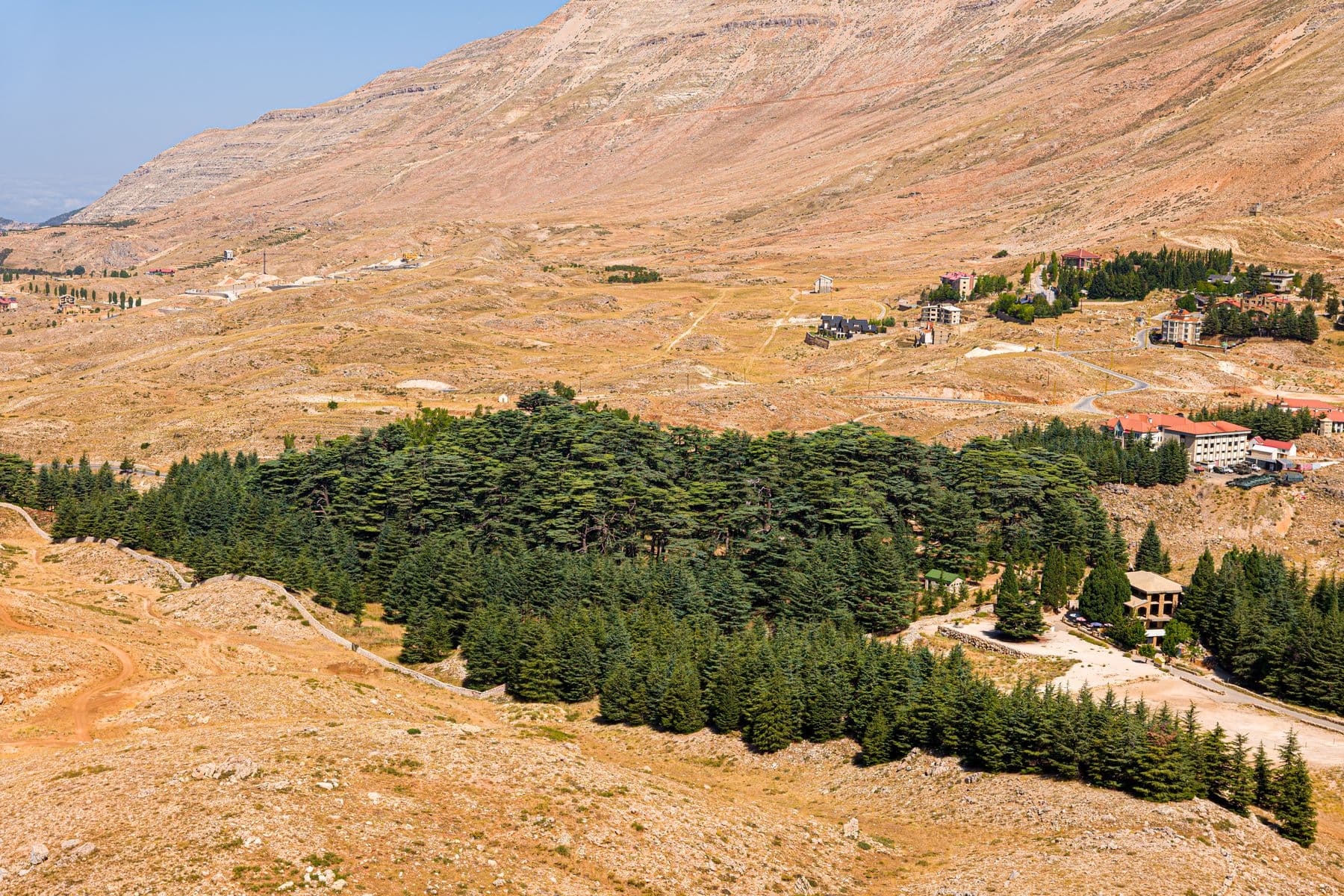
From roughly December to March, snow is common at higher altitudes, including the ski areas of Faraya-Mzaar and the Cedars. Mountain roads can be icy in the early morning and after dark, and some high passes may close temporarily during storms.
- Check the weather and road conditions before you leave.
- Ask the rental company whether snow chains or a 4x4 or SUV is recommended for your route.
- Keep the fuel tank well filled and carry water, warm clothes and a charged phone.
Navigation and parking
Navigation apps such as Google Maps and Waze work well across Lebanon. Download offline maps for mountain areas where mobile coverage can drop. Street addresses are often described by landmarks, so save your hotel or destination as a pin rather than relying on a written address.
In Beirut, Jounieh and Byblos, paid car parks and valet parking at restaurants are common and usually easier than searching for a street space. Never block driveways or park where curbs are marked as no-parking.
Fuel stops
Petrol stations are plentiful on the main highways and in towns but sparser in high mountain areas. Fill up before heading to places like the Cedars or the Chouf reserve, and carry some cash, as many stations prefer it.
Safety and emergencies
- Before you travel, check your government's current travel advice for Lebanon, particularly for areas close to the borders.
- In an emergency, call 112 for the police or 140 for the Lebanese Red Cross ambulance service.
- Save your rental company's contact number - the contact page lists reservation contacts for Avis Lebanon and Budget Lebanon.
- In case of an accident, follow the instructions in your rental agreement and contact the rental company as soon as possible.
Ready to plan a route? Read our scenic road trips in Lebanon or the guide to renting a car in Lebanon.
Frequently asked questions
Which side of the road do people drive on in Lebanon?
Lebanon drives on the right-hand side of the road, with the steering wheel on the left.
Is it difficult to drive in Beirut?
Beirut traffic can be dense and fast-changing, especially at rush hour. Drive defensively, keep a safe distance, and plan longer trips outside peak times.
Do I need a 4x4 in winter?
For most coastal and city driving, no. For snowy mountain areas such as Faraya or the Cedars in winter, an SUV and snow chains may be recommended - ask the rental company for advice on your route.