Road trips
7 Scenic Road Trips in Lebanon
Plan a road trip in Lebanon with seven scenic routes by car: the northern coast, the Qadisha Valley and the Cedars, the Chouf, Baalbek and the Bekaa, the south coast and more.
Updated · 8 min read
A road trip in Lebanon can take you from sea level to snow in a single afternoon. Because the country is compact, most of these routes work as day trips from Beirut, or can be linked into a longer itinerary. Distances below are approximate one-way driving distances from Beirut; actual times depend heavily on traffic.
1. The northern coast: Jounieh, Byblos and Batroun
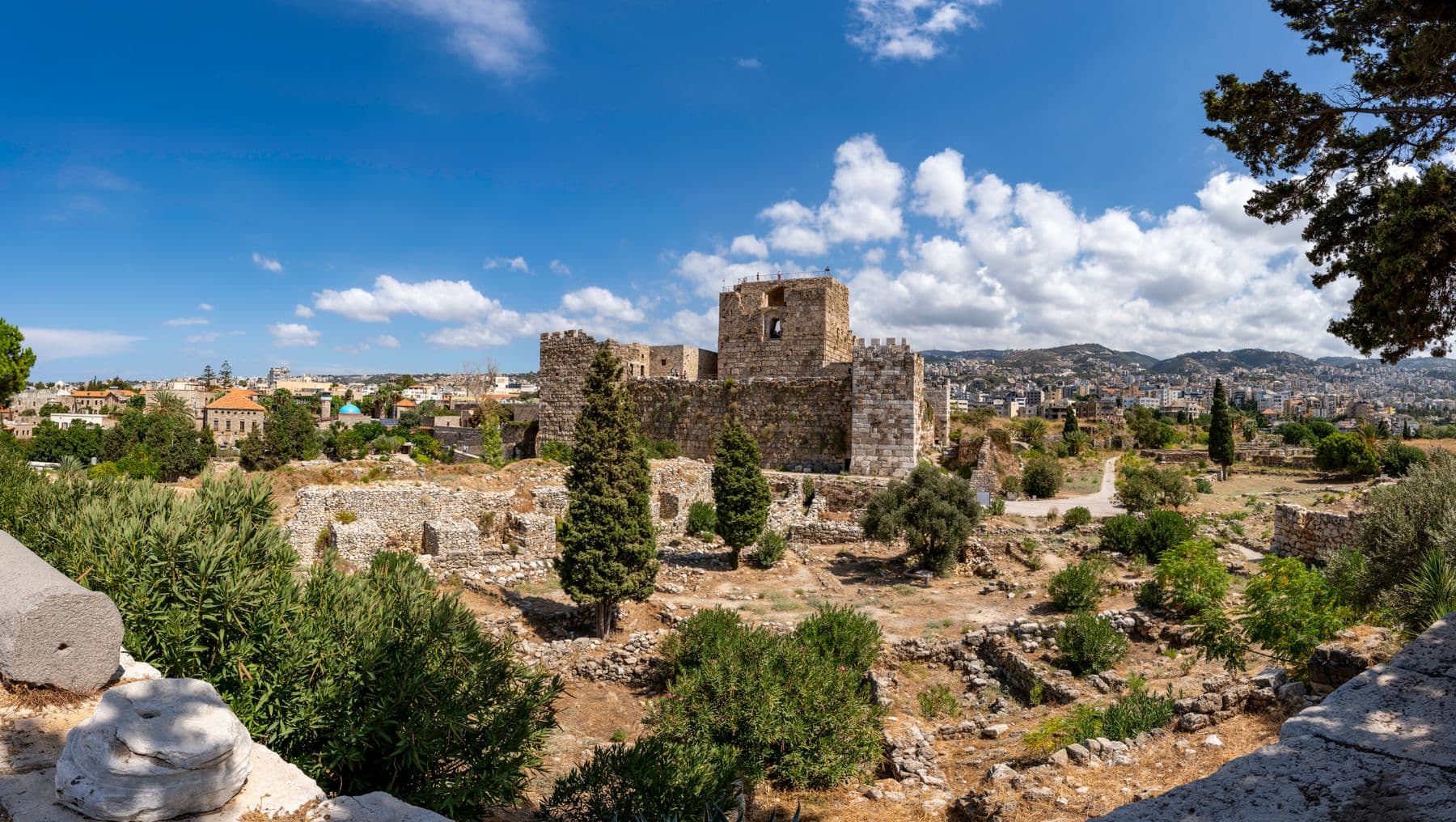
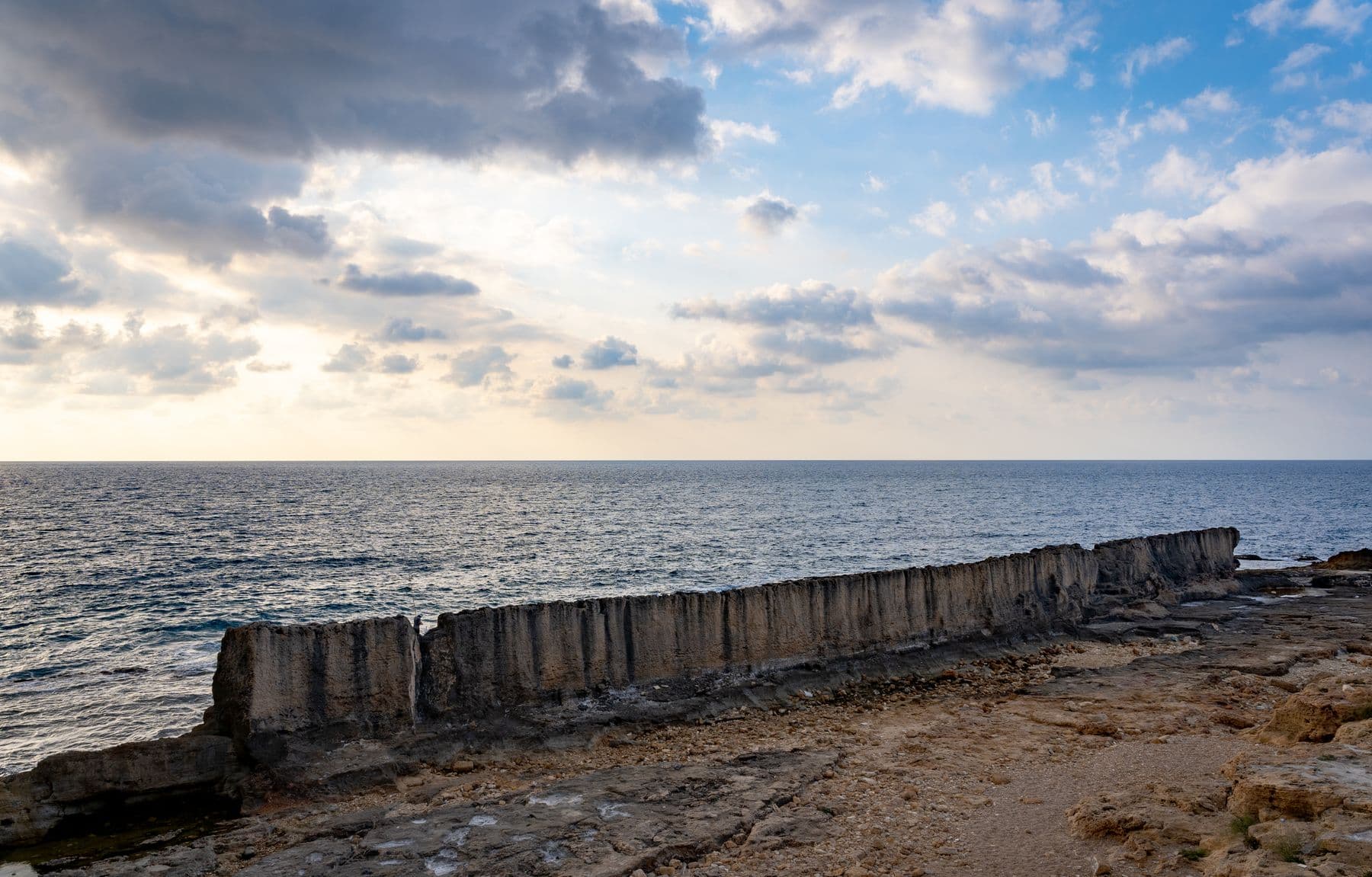
Distance: about 55 km to Batroun. Follow the coastal highway north, stopping at Jounieh Bay, the hilltop shrine of Our Lady of Lebanon at Harissa, and the old port and Crusader castle of Byblos (Jbeil), a UNESCO World Heritage Site and one of the oldest continuously inhabited cities in the world. Finish in Batroun for its Phoenician sea wall, old souk and seafront restaurants.
2. The Qadisha Valley and the Cedars of God
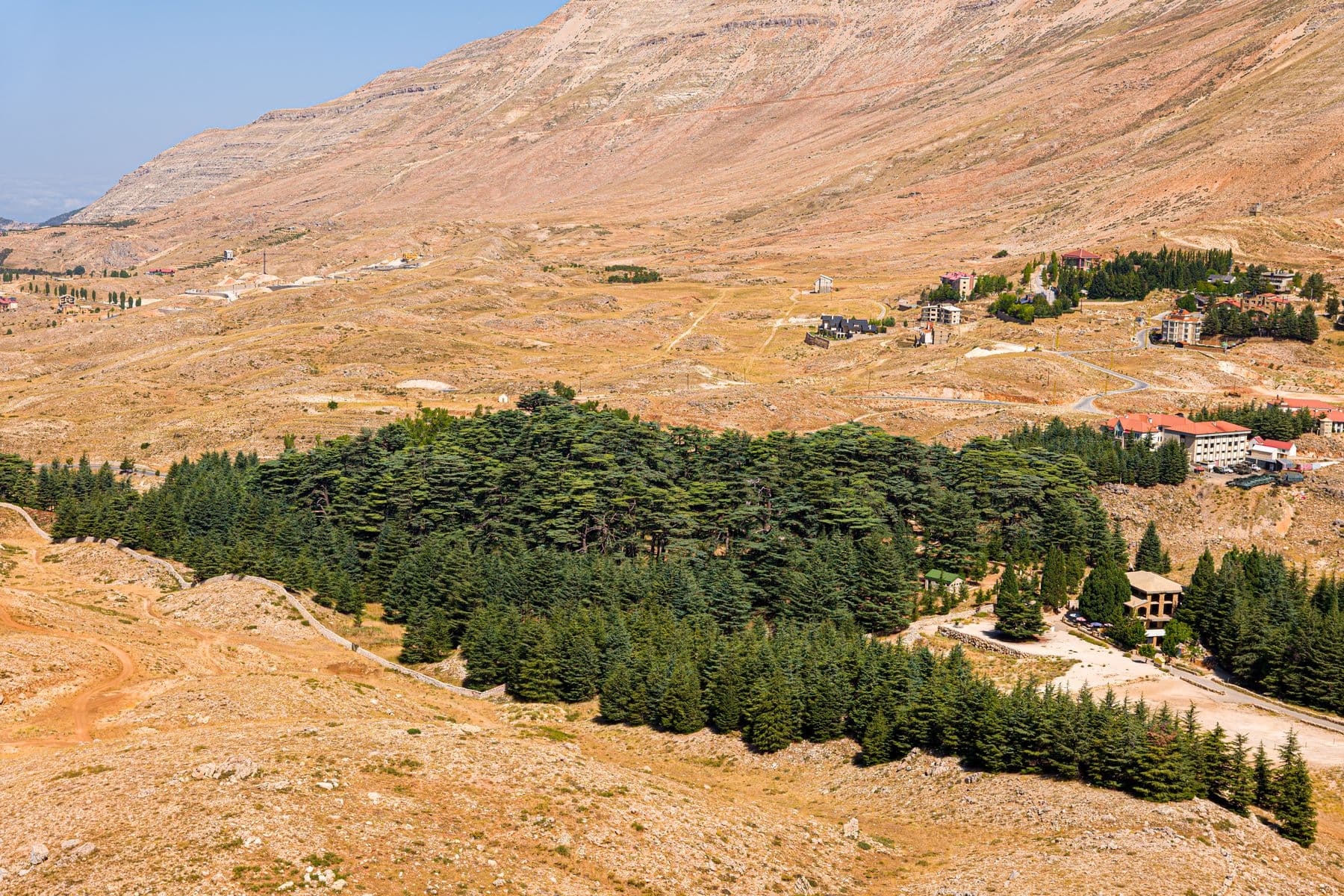
Distance: about 120 km to Bsharri. This is one of Lebanon's most dramatic drives. Climb inland from the coast through mountain villages to Bsharri, birthplace of Gibran Khalil Gibran, perched above the Qadisha Valley. Continue up to the Cedars of God grove. The Qadisha Valley and the Forest of the Cedars of God are together a UNESCO World Heritage Site.
Make it an overnight trip
The drive back from Bsharri is long and winding. Consider staying the night in Bsharri or Ehden and returning via the coast the next day.
3. The Chouf: Deir el Qamar, Beiteddine and the cedar reserve
Distance: about 45 km to Beiteddine. Head south-east into the Chouf mountains to the stone village of Deir el Qamar and the 19th-century Beiteddine Palace. Continue to the Al Shouf Cedar Nature Reserve, Lebanon's largest nature reserve, for walking trails among ancient cedars.
4. Baalbek and the Bekaa Valley
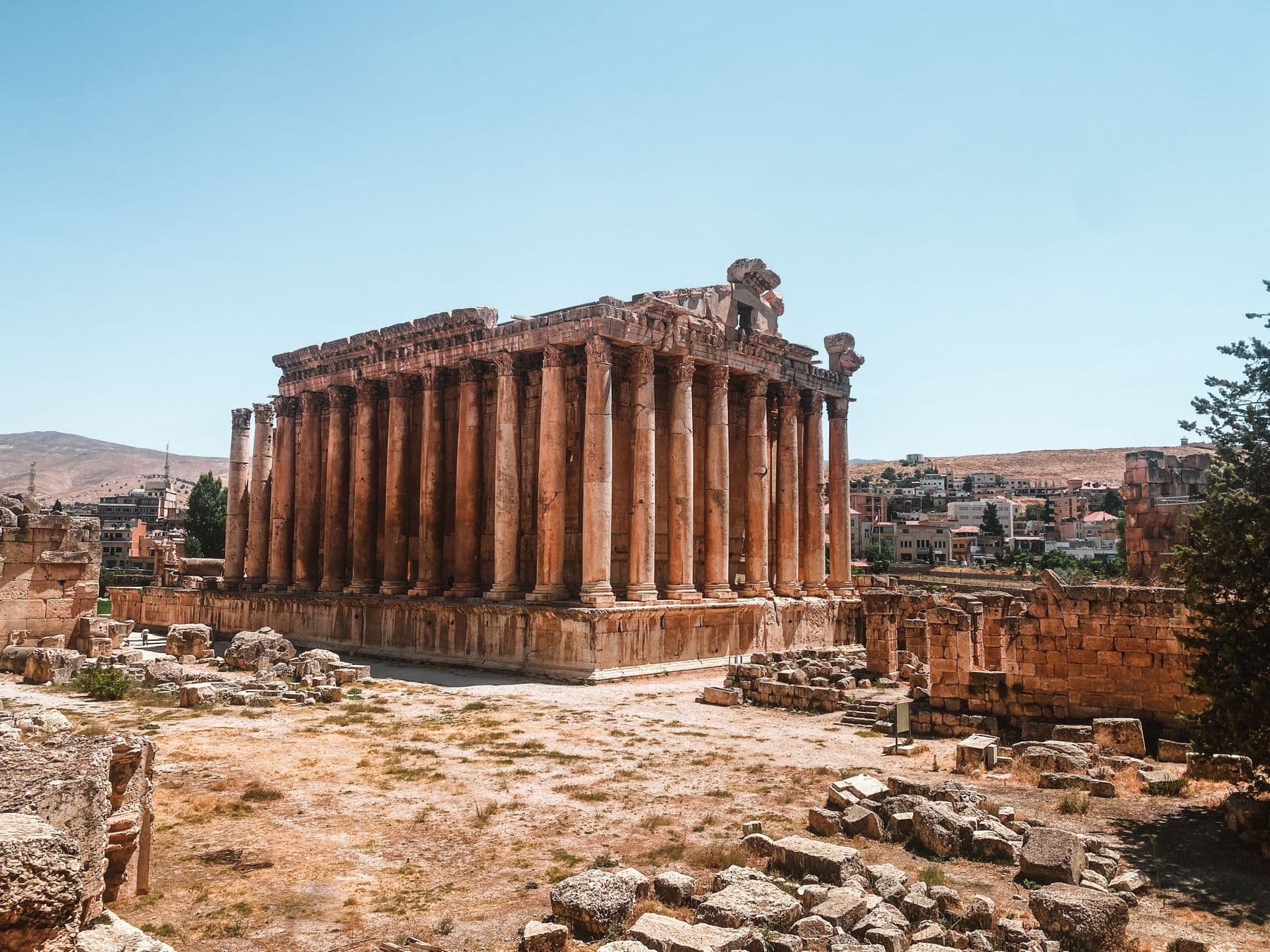
Distance: about 85 km to Baalbek. Cross Mount Lebanon on the Beirut-Damascus highway over the Dahr el Baidar pass, descend into the Bekaa Valley and continue north to the Roman temples of Baalbek, another UNESCO site. On the way back, stop in Zahle and at one of the Bekaa's wineries. See our Beirut to Baalbek day trip guide for a full itinerary.
5. The south coast: Sidon and Tyre
Distance: about 45 km to Sidon and 80 km to Tyre. Drive south along the coast to Sidon (Saida) for its Sea Castle and old souks, then continue to Tyre (Sour), whose Roman archaeological sites are listed by UNESCO. Check current travel advice before heading south.
6. Faraya and the Kfardebian mountains
Distance: about 50 km. Climb from Jounieh up to Faraya and the Mzaar Kfardebian ski area. In winter it is a ski trip; in summer the same roads lead to cooler air, hiking and the Faqra natural bridge area. Read our winter driving tips before going in snow season.
7. Tripoli and Ehden
Distance: about 85 km to Tripoli. Explore Tripoli's citadel and historic souks, then drive up into the mountains to Ehden and the Horsh Ehden nature reserve, a popular summer escape with cooler temperatures.
Planning your road trip
- Choose a car that suits the route - an SUV is more comfortable for mountain drives, especially in winter.
- Start early to avoid Beirut traffic and to make the most of daylight on mountain roads.
- Combine nearby routes, such as the northern coast with the Qadisha Valley, for a two- or three-day loop.
- Read our driving tips for Lebanon before you go.
When you are ready, compare cars on Avis Lebanon (opens in a new tab) and Budget Lebanon (opens in a new tab).
Frequently asked questions
How many days do I need for a road trip in Lebanon?
Many highlights can be visited as day trips from Beirut. A week lets you combine the coast, the Qadisha Valley and the Cedars, the Chouf and the Bekaa Valley without rushing.
What is the best time of year for a road trip in Lebanon?
Spring and autumn offer mild weather for both the coast and the mountains. Summer is ideal for the beaches and cooler mountain towns, and winter is best for skiing - with extra care on snowy roads.